


Essential Permit Insights for Trekking in National Parks like Everest and Annapurna
Trekking in regions like Everest and Annapurna offers breathtaking views and unforgettable experiences. Yet, before you pack your bags and lace up your boots, understanding the National Park Permits required is crucial. These permits are not just bureaucratic hurdles; they protect the environment, support local communities, and ensure your safety on the trail. This post breaks down what you need to know about permits for trekking in these iconic national parks.
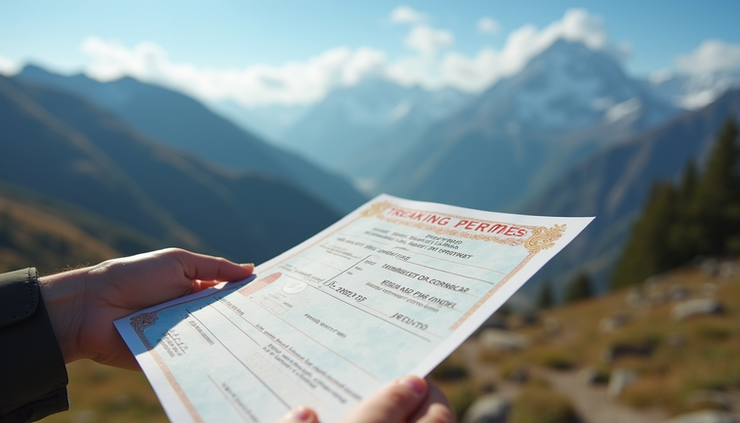
Why Essential National Park Permits Matter while Trekking in Nepal
Essential Permits for Trekking in National Parks serve several important purposes:
Environmental protection: They help control the number of visitors, reducing the impact on fragile ecosystems.
Safety and regulation: Permits ensure trekkers are registered, making rescue operations easier if needed.
Support for local communities: Fees collected contribute to conservation efforts and local infrastructure.
Legal compliance: Trekking without a permit in these regions can lead to fines or being turned back.
For regions like Everest and Annapurna, these permits are mandatory. Ignoring this requirement can spoil your adventure before it begins.
Types of Permits Required
When trekking in regions like Everest and Annapurna, you will typically need several permits:
1. TIMS Card (Trekkers’ Information Management System)
Issued by the Nepal Tourism Board.
Tracks trekkers for safety and management.
Two types:
- Group TIMS for groups of two or more.
- Individual TIMS for solo trekkers.
Cost varies but generally affordable (around $10-$20).
2. National Park Entry Permit
Required for entry into protected areas like Sagarmatha National Park (Everest) and Annapurna Conservation Area.
Fees differ by park:
- Sagarmatha National Park permit costs about $30.
- Annapurna Conservation Area permit costs around $20.
Valid for a specific duration, usually matching your trekking itinerary.
3. Local Area Permits
Some regions require additional permits, such as the Restricted Area Permit for certain restricted zones.
These permits may have extra fees and require special approval.
How to Obtain Permits
You can get National Park Permits through several channels:
Authorized trekking agencies: Most trekkers book permits through agencies that handle paperwork.
Tourism offices in Kathmandu or Pokhara: Permits can be purchased in person.
Online portals: Some permits are now available online, simplifying the process.
Make sure to carry original permits during your trek, as park officials regularly check them.
Tips for Managing Permits on Your Trek
Plan ahead: Apply for permits well before your trek, especially in peak seasons (spring and autumn).
Keep copies: Carry photocopies or digital scans of your permits.
Check validity: Ensure your permit dates cover your entire trek.
Respect rules: Follow park regulations to avoid fines or permit cancellation.

Common Mistakes to Avoid
Skipping permits: Some trekkers try to avoid fees but risk fines or being stopped.
Using fake permits: Authorities are strict, and fake permits can lead to legal trouble.
Not renewing permits: If your trek extends beyond the permit validity, renew it promptly.
Ignoring local regulations: Different regions may have unique rules; research before you go.
Costs and Budgeting for Permits
Permit fees can add up, so include them in your trekking budget. For example:
| Permit Type | Approximate Cost (USD) |
|--------------------------|-----------------------|
| TIMS Card | $10 - $20 |
| Sagarmatha National Park | $30 |
| Annapurna Conservation | $20 |
| Restricted Area Permit | $20 - $50 |
These fees support conservation and local communities, making your trek more sustainable.

Final Thoughts on National Park Permits
When considering the various aspects of national park permits, it is essential to acknowledge the critical role they play in the conservation and management of these natural treasures. National parks are not only vital for preserving biodiversity and ecosystems but also serve as a sanctuary for countless species, some of which are endangered or threatened. The implementation of a permit system is designed to balance the need for public access with the necessity of protecting these delicate environments from overuse and degradation. One of the primary purposes of national park permits is to regulate visitor numbers. By controlling the flow of tourists, parks can mitigate the impact on trails, wildlife, and vegetation. This is particularly important in high-traffic areas where foot traffic can lead to soil erosion, trail widening, and habitat destruction. For instance, in popular parks such as Yosemite or Zion, permits are essential for managing the influx of visitors during peak seasons, ensuring that the natural beauty and integrity of these areas are maintained for future generations. Moreover, permits often come with specific guidelines and regulations that visitors must adhere to, which are designed to promote responsible recreation. These regulations may include restrictions on campfires, guidelines for waste disposal, and rules regarding wildlife interactions. By educating visitors through the permit process, parks can foster a sense of stewardship among guests, encouraging them to respect the natural environment and adhere to Leave No Trace principles. This educational aspect is crucial in cultivating a culture of conservation and responsible outdoor ethics. Additionally, the revenue generated from permit fees plays a significant role in funding park operations and conservation efforts. These funds are typically reinvested into the park to improve infrastructure, maintain trails, enhance visitor services, and support ongoing conservation projects. This financial aspect underscores the importance of permits not just as a regulatory tool but as a vital source of income that helps sustain the parks' long-term health and accessibility. It is also worth noting that the process of obtaining a permit can vary significantly from one national park to another, often reflecting the unique challenges and characteristics of each location. Some parks may require advance reservations for certain activities, such as backcountry camping or climbing, while others may offer same-day permits. Understanding these nuances is essential for visitors planning their trips, as it allows them to navigate the permit system effectively and ensures a smoother experience in the park. In conclusion, national park permits are an essential component of responsible park management. They not only help regulate visitor access and protect fragile ecosystems but also serve as a means of educating the public and generating necessary funds for conservation efforts. As outdoor enthusiasts, it is our responsibility to understand and appreciate the significance of these permits, ensuring that we enjoy and preserve the natural wonders of our national parks for generations to come.
Due to recent guidelines, a licensed guide is required on most major trekking routes to enhance safety and support local employment. You will find the best professional licensed guides from Nepal Myths and Mountain Trails.


Comments