


The Ultimate Guide to Discovering Nepal's Best Trekking Routes and Cultural Insights
Nepal offers some of the most breathtaking trekking experiences in the world. From towering Himalayan peaks to ancient villages rich in tradition, trekking here is more than just a physical journey - it’s a deep dive into nature and culture. Whether you are a seasoned trekker or a first-timer, this guide will help you navigate Nepal’s top trekking routes, prepare for the challenges, and appreciate the unique cultural tapestry that makes every step memorable.
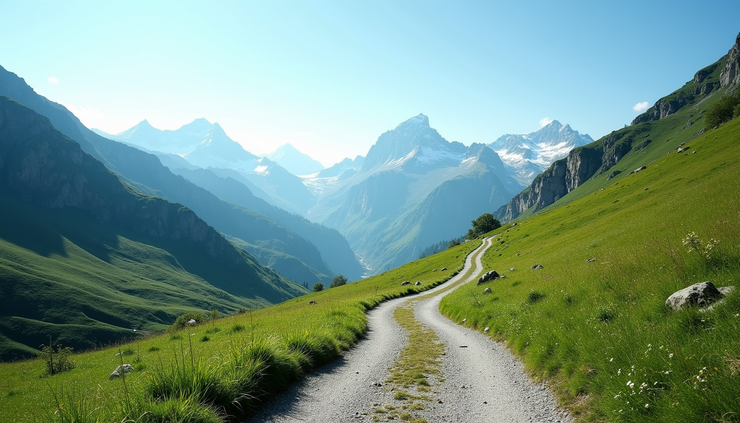
Popular Trekking Routes in Nepal
Nepal has a variety of trekking routes catering to different skill levels and interests. Here are some of the most popular ones:
Everest Base Camp Trek
This iconic trek takes you to the foot of the world’s highest peak, Mount Everest. The trail passes through Sherpa villages, Buddhist monasteries, and offers stunning views of Everest, Lhotse, and Nuptse.
Duration: 12–14 days
Difficulty: Moderate to challenging
Highlights: Tengboche Monastery, Sagarmatha National Park, Kala Patthar viewpoint
Annapurna Circuit Trek
Known for its diverse landscapes, the Annapurna Circuit crosses several climate zones, from subtropical forests to alpine peaks. It also offers a glimpse into the lives of local Gurung and Thakali communities.
Duration: 15–20 days
Difficulty: Moderate to challenging
Highlights: Thorong La Pass, Manang village, hot springs at Tatopani
Langtang Valley Trek
Closer to Kathmandu, this trek is ideal for those seeking a shorter adventure with rich cultural exposure. The Langtang region is home to Tamang people and offers beautiful views of Langtang Lirung.
Duration: 7–10 days
Difficulty: Moderate
Highlights: Langtang village, Kyanjin Gompa, rhododendron forests
Upper Mustang Trek
This trek explores the ancient kingdom of Mustang, known for its Tibetan culture and desert-like landscapes. It’s less crowded and offers a unique cultural experience.
Duration: 10–14 days
Difficulty: Moderate
Highlights: Lo Manthang, ancient caves, Tibetan monasteries
Essential Tips for Trekking in Nepal
Trekking in Nepal requires preparation beyond just physical fitness. Here are practical tips to ensure a safe and enjoyable journey:
Prepare for Altitude
Altitude sickness is a serious risk. Ascend slowly, stay hydrated, and listen to your body. Consider spending extra days acclimatizing at key points like Namche Bazaar or Manang.
Pack Smart
Bring layered clothing for varying temperatures, sturdy trekking boots, a good sleeping bag, and a first aid kit. Don’t forget sunscreen and sunglasses to protect against strong UV rays at high altitudes.
Hire Local Guides and Porters
Supporting local guides and porters not only helps the community but also enhances your experience. They provide valuable insights into the culture and terrain.
Respect Local Customs
Nepalese culture is deeply rooted in Buddhism and Hinduism. Dress modestly, ask permission before photographing people, and observe local etiquette, especially in monasteries and villages.
Stay Connected and Safe
Mobile coverage is available on most trekking routes, but it can be patchy. Carry a power bank and inform someone about your itinerary. Purchase travel insurance that covers high-altitude trekking.

Cultural Insights Along the Trekking Trails
Trekking in Nepal is as much about meeting people and understanding their way of life as it is about the scenery. Here are some cultural highlights to look out for:
Sherpa Culture
The Sherpa people are renowned for their mountaineering skills and hospitality. Visiting their villages offers a chance to learn about their Buddhist traditions, festivals like Mani Rimdu, and their close relationship with the mountains.
Festivals and Rituals
If your trek coincides with local festivals, you may witness vibrant celebrations involving traditional music, dance, and rituals. These events provide a window into the spiritual life of the communities.
Traditional Architecture
Many villages feature stone houses with intricately carved wooden windows and doors. These structures reflect the craftsmanship and adaptation to the harsh mountain environment.
Local Cuisine
Try dishes like dal bhat (lentil soup with rice), momo (dumplings), and butter tea. Sharing meals with locals is a great way to connect and experience hospitality.
Preparing for the Trek: Physical and Mental Readiness
Trekking in Nepal demands stamina and mental resilience. Here are some ways to prepare:
Physical Training: Focus on cardio exercises, hiking with a backpack, and strength training for legs and core.
Mental Preparation: Be ready for unpredictable weather, long walking days, and basic living conditions.
Health Check: Consult a doctor before the trip, especially if you have pre-existing conditions.
Sustainable Trekking Practices
Protecting Nepal’s fragile environment is crucial. Follow these guidelines:
Use refillable water bottles and purify water instead of buying plastic bottles.
Stick to marked trails to avoid damaging vegetation.
Carry out all trash and avoid single-use plastics.
Support eco-friendly lodges and local businesses.
To wrap up, if you’re planning a trip to Nepal and want a smooth, stress-free experience, Nepal Myths and Mountain Trails (NMMT) travel agents comes highly recommended. They stand out for clearly explaining the entire travel process step by step, from documentation and itineraries to on-ground logistics, while guiding travelers in a highly professional and reliable manner. Their personalized approach ensures you feel confident and well-prepared at every stage of your journey. If Nepal is on your travel list, reaching out to NMMT can make all the difference in turning your trip into a truly memorable and well-organized experience.


Comments