


Guide to Nepal's Trekking Permits and Regulations for with TIMS Card Requirements
Updated: Jan 2
Trekking offers an incredible way to explore nature, challenge yourself, and experience remote landscapes. But before you lace up your boots and hit the trail, understanding the permits and regulations is crucial. One of the most important permits for trekking in many regions is the TIMS Card. This guide explains what the TIMS Card is, why it matters, and how to navigate permit requirements to ensure a safe and legal trekking adventure.

What is the TIMS Card and Why It Matters
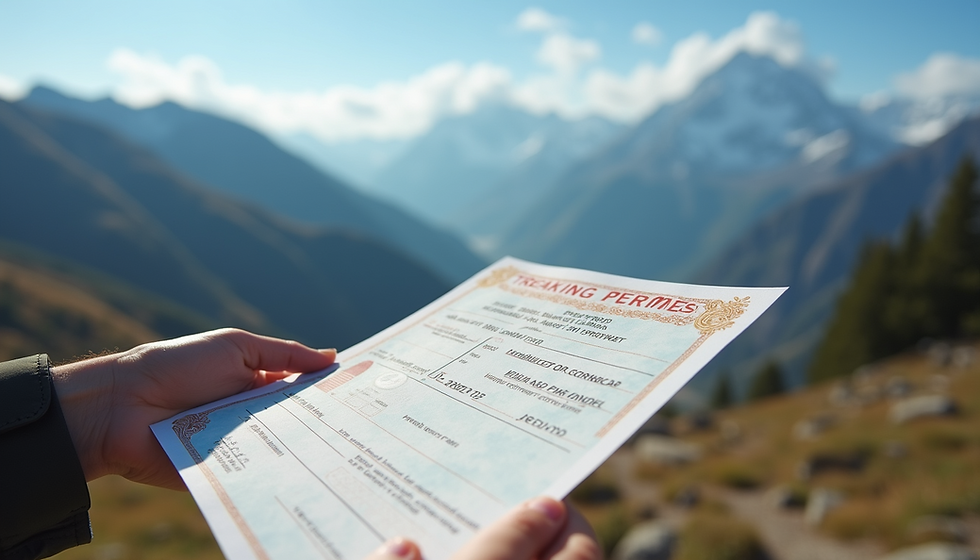
The TIMS Card, or Trekker’s Information Management System Card, is a permit designed to track and protect trekkers on popular routes. It helps local authorities monitor who is on the trail, improving safety and environmental protection. Most trekking routes in regions like Nepal require trekkers to carry a valid TIMS Card.
The card serves several purposes:
Safety: Authorities can locate trekkers in case of emergencies.
Conservation: Helps control the number of visitors to sensitive areas.
Regulation: Ensures trekkers follow local rules and respect cultural sites.
Without a TIMS Card, you risk fines, denied entry, or even forced evacuation from trekking areas.
How to Obtain a TIMS Card
Getting a TIMS Card is straightforward but requires preparation. Here’s how to do it:
Where to Apply
You can get a TIMS Card at official trekking agencies, tourism offices in major cities, or at entry points to trekking regions. Some agencies offer online applications, but check if this is available for your route.
Passport or valid ID
Passport-sized photos
Trekking itinerary or guide details (if applicable)
Payment for the permit fee
Documents Needed
Types of TIMS Cards
Individual TIMS Card: For solo trekkers without guides.
Group TIMS Card: For trekkers with guides or porters, often required for certain routes.
Cost
Fees vary depending on the trekking region and card type. For example, in Nepal, individual TIMS Cards typically cost around $20, while group cards are slightly higher.
Validity
TIMS Cards are usually valid for the duration of your trek, but you must carry it at all times on the trail.
Routes That Require TIMS Card
Most popular trekking routes require a TIMS Card. Some examples include:
Annapurna Circuit
Everest Base Camp Trek
Langtang Valley Trek
Manaslu Circuit Trek
Less frequented or restricted areas may have additional permits or different requirements. Always check the latest regulations for your specific route.
Other Important Permits and Regulations
Besides the TIMS Card, some trekking areas require additional permits:
National Park or Conservation Area Permits
Many trekking routes pass through protected areas. For example, the Annapurna Conservation Area Permit (ACAP) is mandatory for the Annapurna region.
Local Area Permits
Certain regions require permits issued by local authorities to enter specific villages or valleys.
Guide and Porter Regulations
Some routes mandate hiring licensed guides or porters, especially in remote or high-risk areas.
Understanding these permits helps avoid fines and supports local conservation efforts.

Tips for Managing Permits and TIMS Card Requirements
Apply Early
Some permits have limited availability or require advance booking. Apply at least a few weeks before your trek.
Keep Copies
Carry both physical and digital copies of your TIMS Card and other permits.
Follow Rules
Respect all regulations, including waste disposal, camping restrictions, and cultural sensitivities.
Use Licensed Agencies
When booking through agencies, confirm they provide all necessary permits and TIMS Cards.
Check Updates
Permit rules can change. Verify requirements close to your departure date.
What Happens If You Trek Without a TIMS Card
Trekking without a valid TIMS Card can lead to serious consequences:
Fines imposed by park rangers or local authorities.
Denied access to trekking areas or checkpoints.
Forced evacuation from the trail.
Impact on rescue operations if emergencies occur.
Carrying a TIMS Card is not just a formality; it protects you and the environment.

Final Thoughts on TIMS Card Requirements and Trekking Permits
When planning an adventure in the majestic landscapes of Nepal, particularly in areas like the Annapurna and Langtang regions, understanding the requirements for obtaining a TIMS (Trekker’s Information Management System) card and the necessary trekking permits is crucial. These regulations are not merely bureaucratic hurdles; they are designed to ensure the safety of trekkers and to promote sustainable tourism practices in the region. The TIMS card serves as a vital tool for both trekkers and authorities. It not only helps in tracking the number of trekkers in the area but also plays a significant role in emergency situations, as it contains essential information about the trekker, including their itinerary and contact details. This system enhances the overall safety framework for those exploring the remote trails of the Himalayas. Trekkers are required to apply for this card through authorized trekking agencies or the Nepal Tourism Board, and it is essential to carry it at all times during the trek. In addition to the TIMS card, various trekking routes require specific permits, which can vary based on the region and the level of restriction imposed by the government. For example, treks that pass through protected areas, such as the Sagarmatha National Park, necessitate the purchase of additional permits, which are intended to conserve the natural environment and protect the cultural heritage of the local communities. These permits help regulate the number of trekkers in sensitive areas, thereby minimizing the impact on the delicate ecosystems and ensuring that the benefits of tourism are equitably shared among local populations. Moreover, being well-informed about these requirements enhances the overall trekking experience. It allows trekkers to plan their journey more effectively, ensuring compliance with local regulations while fostering a sense of responsibility towards the environment and the communities they visit. Understanding the significance of the TIMS card and trekking permits can also encourage trekkers to engage more deeply with local cultures, as they become more aware of the regulations that protect these unique environments and the people who inhabit them. In conclusion, the process of obtaining a TIMS card and the necessary trekking permits is an integral part of preparing for a trekking adventure in Nepal. By adhering to these requirements, trekkers not only ensure their own safety but also contribute to the preservation of the stunning landscapes and rich cultures they come to explore. Preparation and awareness can lead to a more fulfilling and responsible trekking experience, allowing adventurers to enjoy the breathtaking beauty of the Himalayas while supporting sustainable tourism practices. For Professional advice, contact travel agents like NMMT.


Comments